The Sacred Valley from Cusco
Inca terraces, a living Inca town, and a valley floor 600 meters lower than Cusco — which is exactly why it should be your first day, not your third.
The short version
- Colectivos and taxis leave Cusco constantly for Pisac and Ollantaytambo; day tours string the sites with less freedom and zero navigation. The partial boleto turístico covers the valley’s main ruins — current terms at cosituc.gob.pe.
- Pisac: terraces pouring down the mountainside above a market town — walk the ridge path between sectors rather than just the parking-lot platform.
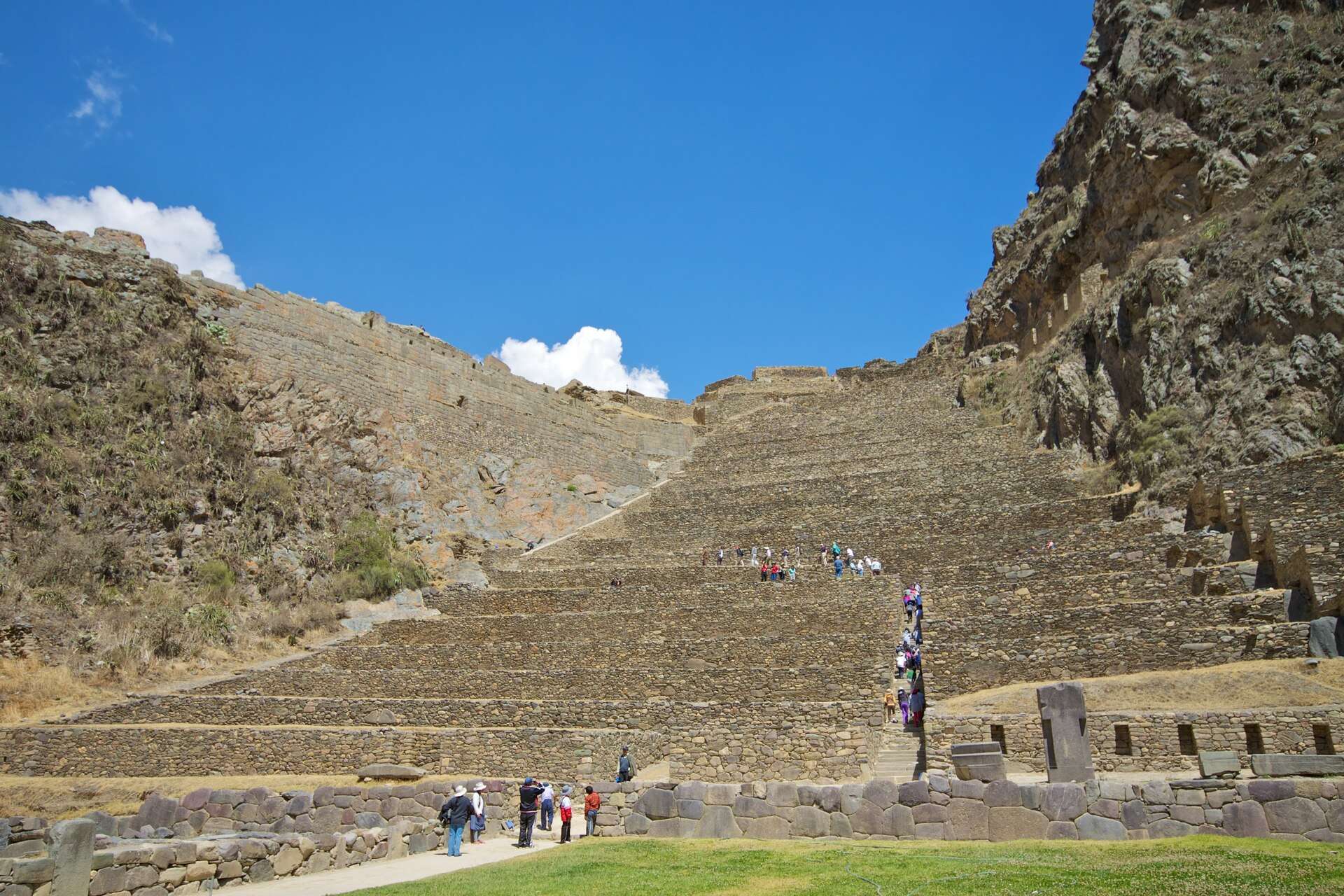
- Ollantaytambo: the fortress terraces climb from a town still on its Inca street grid, canals running the lanes. It is the valley’s essential stop and the train station for Machu Picchu — rail at perurail.com.
- Moray’s concentric crop-laboratory rings and the Maras salt pans — thousands of terraced evaporation pools, community-run with their own small fee — pair on one side road.
- Chinchero, on the high plain back to Cusco, adds weaving cooperatives and a colonial church on Inca walls.
- Lunch belongs in Urubamba or Ollantaytambo; quinoa soup and trout are the valley’s working answers.

Getting there
Colectivos — shared vans — leave from Cusco’s known corners for Pisac and Ollantaytambo through the day for small soles; taxis by the half-day negotiate reasonably and remove the shuffling. Organized tours run the full circuit in a long scripted day. The self-directed version picks a side: Pisac plus Ollantaytambo down the valley, or Chinchero-Moray-Maras across the plateau — each fills a day properly. Machu Picchu-bound travelers can end at Ollantaytambo and sleep by the station, which is the veteran move.
The day
The classic line: Pisac in the morning — up among the terraces before the tour vans, then the market’s genuine half — lunch in Urubamba, and Ollantaytambo for the afternoon: the fortress climb done slowly, then the town’s alleys, which are the part people remember. The plateau alternative runs Chinchero’s weavers, Moray’s rings, and the Maras pans glowing white toward sunset. Either way, altitude sets the pace — the valley is generous to walkers who negotiate with it.
When to go
April to October is the dry season: reliable sun, cold nights, peak clarity. November to March greens every terrace and rains most afternoons — mornings still deliver, and the sites empty out. The valley’s markets and festivals run year-round; Ollantaytambo’s lanes at dusk, after the day-trippers drain toward Cusco, are the constant worth engineering in any month.
Frequently Asked Questions
Which boleto turístico should I buy?
The partial valley circuit covers Pisac, Ollantaytambo, Chinchero, and Moray; the full ticket adds Cusco’s own sites over more days. Match it to your itinerary at purchase — Maras is separate cash either way.
Valley first or Machu Picchu first?
Valley first, both for acclimatization and for context — the terraces teach you how to read Machu Picchu. Many end the valley day at Ollantaytambo and train onward next morning.
Tour or independent?
Independent by colectivo is cheap and flexible for the main axis; the Moray-Maras side is easier hired. Tours compress everything into one long day — efficient, and the opposite of lingering.
How hard are the site climbs?
Steep stairs at altitude, mercifully short: Ollantaytambo’s terraces take twenty slow minutes, Pisac’s ridge an unhurried hour. The only technique required is patience.
Is Maras really worth it?
The salt pans are the valley’s strangest sight — a white terraced delta worked by hand since before the Incas. Late light makes them; combine with Moray and judge for yourself.